Can Veneers Fix Cracked Teeth?
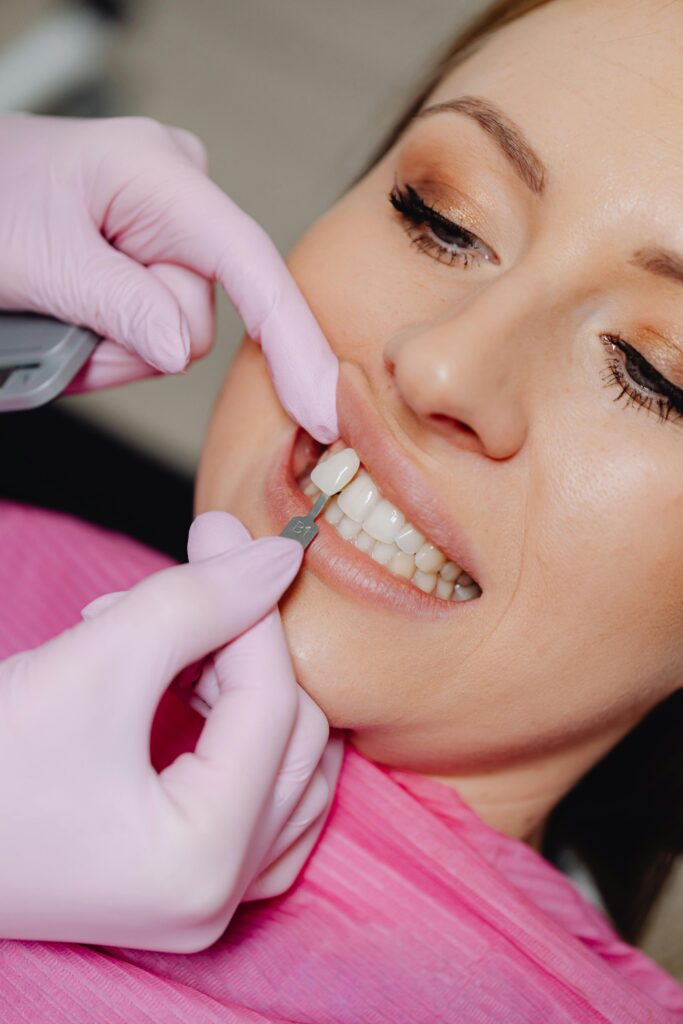
A cracked tooth can be anything from a minor cosmetic nuisance to a genuine structural problem that needs prompt treatment. Patients often use the word "cracked" to describe several different situations: a tiny craze line in the enamel, a chipped corner, a visible fracture on the front surface, or a deeper crack that causes pain when biting. That distinction matters, because veneers can help in some cases, but they are absolutely the wrong tool in others.
This is one of those topics where the best answer is not a simple yes or no. Veneers can fix certain cracked teeth, especially when the damage is limited, visible, and mostly cosmetic. They cannot reliably solve a crack that compromises the tooth's strength, extends deep into the tooth, or causes sensitivity and pain. In those cases, a crown, bonding, or root canal treatment may be more appropriate.
The challenge is that many patients come in thinking about appearance first. They notice a line, https://medium.com/@oaksdental/about a rough edge, or a fracture on a front tooth and ask whether a veneer can cover it. Sometimes that instinct is spot on. Sometimes covering the crack would be like painting over a split in a load-bearing beam. It may look better for a while, but the underlying problem remains.
What dentists mean by a cracked tooth
Not every crack carries the same risk. A front tooth with a superficial enamel line is very different from a molar with a split that flexes under chewing pressure.
A tooth can show fine enamel craze lines that are common with age and use. These lines are usually shallow and often harmless. They may become more visible as enamel dehydrates or as light hits the tooth from a certain angle. If the patient dislikes how they look, a veneer can sometimes be a very good cosmetic option.
Then there are small fractures or chips, often caused by biting into something hard, clenching, sports injuries, or simply years of wear. If the damage is confined to the outer part of the tooth and the remaining tooth structure is strong, a veneer may restore the appearance beautifully.
Deeper cracks are another matter. If a crack runs into dentin, reaches the pulp, or extends below the gumline, the treatment conversation changes. Teeth with these cracks may hurt when chewing, react sharply to cold, or feel unpredictable, fine one day and painful the next. Veneers do not reinforce a badly compromised tooth the way a full coverage crown can. They also do not treat inflamed or infected pulp tissue.
That is why a proper examination matters more than the patient-facing symptom. Two teeth can look almost identical in the mirror and require entirely different treatment.
When veneers can work well
Veneers are thin shells, typically porcelain or composite, bonded to the front surface of a tooth. They are designed mainly to improve appearance, though they can also restore small amounts of lost structure. In the right case, veneers can be an elegant solution for a cracked front tooth.
They tend to work best when the crack is shallow, the tooth is stable, and the damage is located on the facial surface, the part you see when you smile. A veneer can mask the visible flaw, recreate symmetry, and protect the outer surface from further wear. Porcelain veneers, in particular, can deliver excellent light reflection and color stability, which is why they are popular in the smile zone.
A common real-world example is the patient who has a central incisor with a vertical enamel crack that catches the light in photos. The tooth is not painful, it is not mobile, and the crack does not extend to the biting edge in a way that weakens the tooth. In that situation, a veneer can often provide a durable cosmetic fix.
Another good use case is a small fractured edge on an upper front tooth where bonding would likely stain or chip too easily over time. If the patient also wants to improve shape or color, a veneer can solve several aesthetic concerns at once.
That said, success depends on more than the crack itself. Bite pattern matters. If someone has heavy clenching, edge-to-edge contact, or a history of breaking restorations, veneers may still be possible, but the plan needs extra thought. Sometimes that means adjusting the bite, sometimes it means choosing a different restoration, and often it means using a night guard afterward.
When veneers are the wrong answer
Veneers are not structural rescue devices. They are conservative restorations, but they have limits.
If the tooth hurts when biting, has lingering sensitivity to cold, or has a crack that appears to run toward the root, a veneer is usually not the first choice. In those situations, the dentist has to determine whether the tooth can be saved predictably and what kind of coverage it needs. A crown wraps around the tooth and offers more comprehensive support. If the pulp is involved, root canal treatment may come first.
Cracks that extend below the gumline are especially problematic. Even if you could place a veneer over the visible part, the hidden portion of the crack would remain vulnerable. Bacteria can track into that space. The tooth may continue to split under pressure. Patients are often disappointed to hear this, especially if the crack is on a front tooth, but covering a serious fracture cosmetically does not make it healthy.
Back teeth are another category where veneers are less commonly used for cracks. Molars and premolars absorb much greater chewing forces. A porcelain veneer on a heavily loaded molar with a structural crack is usually not the ideal restoration. On posterior teeth, onlays or crowns often make more sense.
There is also a practical issue of diagnosis. Some cracks are easy to see, but many are not. Dentists may use magnification, transillumination, bite tests, and radiographs, though not all cracks show clearly on x-rays. A tooth that seems to need "just a veneer" can reveal a deeper issue once it is examined carefully.
The decision often comes down to depth and force
The two questions that matter most are how deep the crack goes and how much force the tooth has to handle.
A shallow crack on the front of a tooth that mainly affects appearance is a very different scenario from a cracked cusp on a grinding patient. Veneers excel when the tooth is fundamentally sound and the goal is to restore or improve the visible enamel surface. They do poorly when asked to compensate for missing internal strength.
There is a tendency online to describe veneers as a universal smile fix. They are not. They are a precise tool for specific problems. When they are used appropriately, the results can be outstanding. When they are used as a shortcut around a structural diagnosis, failures are more likely.
One detail patients rarely think about is preparation design. A veneer bonds best when there is enough healthy enamel available. Bonding to enamel is more predictable than bonding to dentin. If the crack or prior damage leaves too little quality enamel, the long-term retention and durability of the veneer may be less favorable. That can push the recommendation toward a crown or another type of restoration.
Veneers versus bonding for a cracked front tooth
A lot of small front-tooth cracks live in the gray zone between bonding and veneers. Both can work. The right choice depends on the size of the defect, the patient's bite, the desired appearance, and how long the result needs to last.
Composite bonding is more conservative and usually costs less. It can often be completed in one visit. For a tiny crack or chip, it may be the most sensible first step. The trade-off is that composite can stain, wear, or chip more easily than porcelain, especially in patients who drink a lot of coffee, smoke, or bite their nails.
Porcelain veneers cost more and usually require more planning, but they tend to hold gloss and color better over time. They can also create a more refined aesthetic result when shape, translucency, and symmetry matter. For patients already considering broader cosmetic changes, veneers may offer the stronger long-term value.
Here is a simple way to think about the comparison:
- Bonding is often best for very small cracks or chips, limited budgets, and patients who want the most conservative option.
- Veneers are often best for visible front teeth with cosmetic cracks, moderate defects, or cases where color and shape also need improvement.
- Crowns are usually better when the tooth is structurally weakened, heavily restored, or exposed to high functional stress.
- Root canal treatment may be necessary first if the crack has affected the pulp and the tooth is painful or inflamed.
That framework is not a substitute for an exam, but it reflects how these cases are actually sorted in practice.
What the veneer process looks like if you are a candidate
Once a dentist determines that the crack is superficial enough and the tooth is stable, veneer treatment usually begins with photographs, an examination of the bite, and a discussion of goals. This is especially important if the cracked tooth is one of the front teeth, because matching the neighboring tooth is often the hardest part.
A careful clinician will check whether the crack is static or progressing. They will also look for the reason it happened. If the crack came from trauma years ago and has remained unchanged, that is one situation. If it developed in a heavy grinder whose lower teeth collide forcefully with the upper incisors, that is another. In the second case, even a well-made veneer may fail if the bite issue is not addressed.
Preparation is usually conservative, but not always "no-prep." That phrase gets overused in marketing. Some teeth genuinely allow little to no preparation. Many do not. To create a natural emergence profile and avoid a bulky result, a small amount of enamel often needs to be shaped. Temporary veneers may be placed while the final restorations are fabricated, depending on the technique and the amount of preparation.
At the bonding appointment, the fit, color, and shape are checked carefully before final cementation. Done well, the restoration should look integrated rather than obvious. The tooth should feel normal in the bite, and the margins should be smooth and easy to clean.
How long can a veneer last on a previously cracked tooth?
Patients usually ask two things after hearing they are candidates: Will it last, and will the crack come back?
A veneer can last many years on the right tooth. In clinical practice, a rough expectation for porcelain veneers is often around 10 to 15 years or longer, though real lifespan varies with bite forces, oral hygiene, habits, and the quality of the original case. Composite veneers generally have a shorter average life and may need polishing, repair, or replacement sooner.
The more important question is whether the tooth underneath was a good candidate in the first place. If a veneer is placed on a tooth with only a superficial cosmetic crack, the prognosis may be excellent. If it is placed on a tooth that was already structurally compromised, no craftsmanship can fully undo that starting disadvantage.
Night grinding is one of the biggest variables. I have seen beautiful veneers survive for years in disciplined night guard wearers, and I have seen restorations fail early in patients who dismissed clenching as "just stress." Teeth do not care whether the force comes from chewing, sports, or sleep bruxism. Force is force.
Risks and trade-offs patients should understand
A veneer can transform a cracked front tooth, but patients deserve a realistic picture. The restoration may not be reversible in a practical sense, because even minimal preparation removes some enamel. If a veneer chips, debonds, or the tooth changes over time, it usually needs repair or replacement. Color matching one veneer to a natural adjacent tooth can be challenging, particularly if the neighboring tooth later darkens or develops wear.
Another trade-off is that a veneer treats the visible surface, not every hidden variable. If the original crack had any questionable depth, the tooth may still need monitoring. Most of the time, that means regular exams and attention to symptoms. A tooth that starts to hurt months later may reveal a deeper issue that was not active at the outset.
There is also the issue of expectations. Patients sometimes think a veneer will make a damaged tooth "as strong as new." That is not the right mental model. Veneers can restore function and appearance very effectively, but they are still bonded restorations on a living tooth, not indestructible shells.
Not every cracked tooth needs treatment
This surprises people. Some visible lines in enamel do not require any restorative work at all.
Craze lines, in particular, are often harmless. If they are not trapping stain and the tooth is asymptomatic, the best treatment may be no treatment. Monitoring is sometimes the most responsible recommendation. Aesthetic treatment only becomes necessary if the patient dislikes the appearance or if there are signs the defect is becoming something more than a superficial line.
This is where a conservative dentist earns trust. It is easy to overtreat a cosmetic concern. It is harder, and often better, to explain why intervention is optional.
On the other hand, a crack that seems minor to the patient may deserve urgent attention if symptoms point to deeper involvement. Pain on release after biting, sudden sensitivity, or a rough edge after trauma should not be ignored just because the tooth still looks mostly intact.
Questions worth asking before you agree to a veneer
A good consultation should feel specific to your tooth, your bite, and your habits. If the conversation sounds generic, keep asking.
- Is the crack only in enamel, or does it appear deeper?
- Is the tooth structurally strong enough for a veneer, or would a crown protect it better?
- Am I a grinder or clencher, and would I need a night guard?
- Would bonding be a reasonable first option in my case?
- What signs would suggest this tooth might need different treatment later?
Those questions usually open up a more useful discussion than asking only about price or shade.
Cost matters, but value matters more
Veneers are not inexpensive, and cracked-tooth treatment is one area where the cheapest answer can become expensive twice. If a veneer is the correct restoration, a well-planned case often pays off in longevity and appearance. If a veneer is placed where a crown or another treatment was actually needed, the initial savings or cosmetic appeal can vanish quickly.
Costs vary widely by region, material, and clinician experience. Porcelain veneers on front teeth are typically a significant investment, while bonding may be more accessible upfront. Yet price alone is not a good decision filter. The better question is which option has the best chance of solving the actual problem with the least unnecessary sacrifice of healthy tooth structure.
That judgment requires both cosmetic sense and mechanical judgment. A dentist who does a lot of smile work but also pays close attention to occlusion and crack diagnosis is usually in the best position to guide the choice.
The bottom line for patients weighing veneers
Yes, veneers can fix cracked teeth, but only certain kinds of cracked teeth. They are excellent for superficial, visible cracks on otherwise healthy front teeth, especially when aesthetics matter and the tooth remains structurally sound. They are a poor substitute for proper structural treatment when the crack is deep, symptomatic, or located in a high-stress area.
The right plan begins with diagnosis, not with the restoration you hope to get. If the crack is cosmetic, veneers may offer one of the most natural-looking and durable solutions available. If the crack signals deeper damage, the smarter move may be a crown, bonding, root canal treatment, or in some cases a different approach altogether.
That distinction is what protects both your smile and the tooth underneath it.
Oaks Dental
Address: 5000 Parkway Calabasas Ste 308, Calabasas, CA 91302
Phone number: +18184312000
FAQ About Veneers
How much do veneers actually cost?
The cost of dental veneers typically ranges from $250 to $2,500 per tooth, with a full smile transformation averaging anywhere from $6,000 to $20,000 depending on the material you choose. Because veneers are classified as a elective cosmetic procedure, dental insurance almost never covers them.
What is the downside of having veneers?
The main downside of dental veneers is that the process is permanent and irreversible, as a dentist must shave off a thin layer of natural tooth enamel. Other major drawbacks include increased tooth sensitivity, high financial costs, and the need to replace them every 10 to 15 years.
What happens to the teeth under veneers?
When you get veneers, a dentist shaves off a thin layer of your natural tooth enamel (about 0.3 to 0.7 millimeters). The living tooth stays intact underneath, but losing this outer layer is permanent. The tooth relies on the veneer shell for lifelong protection and cannot be left bare.